Tree Cutting Service vs. Tree Removal in Columbus, OH: Which Do You Need?
Many Columbus homeowners searching for tree help often wonder whether they need a tree cutting service or full tree removal, and getting this distinction right can save time, money, and prevent unnecessary damage to the landscape. Both services involve cutting, but they serve very different purposes. Understanding which one fits your situation will help you make a smarter decision before you ever pick up the phone.
What Is a Tree Cutting Service?
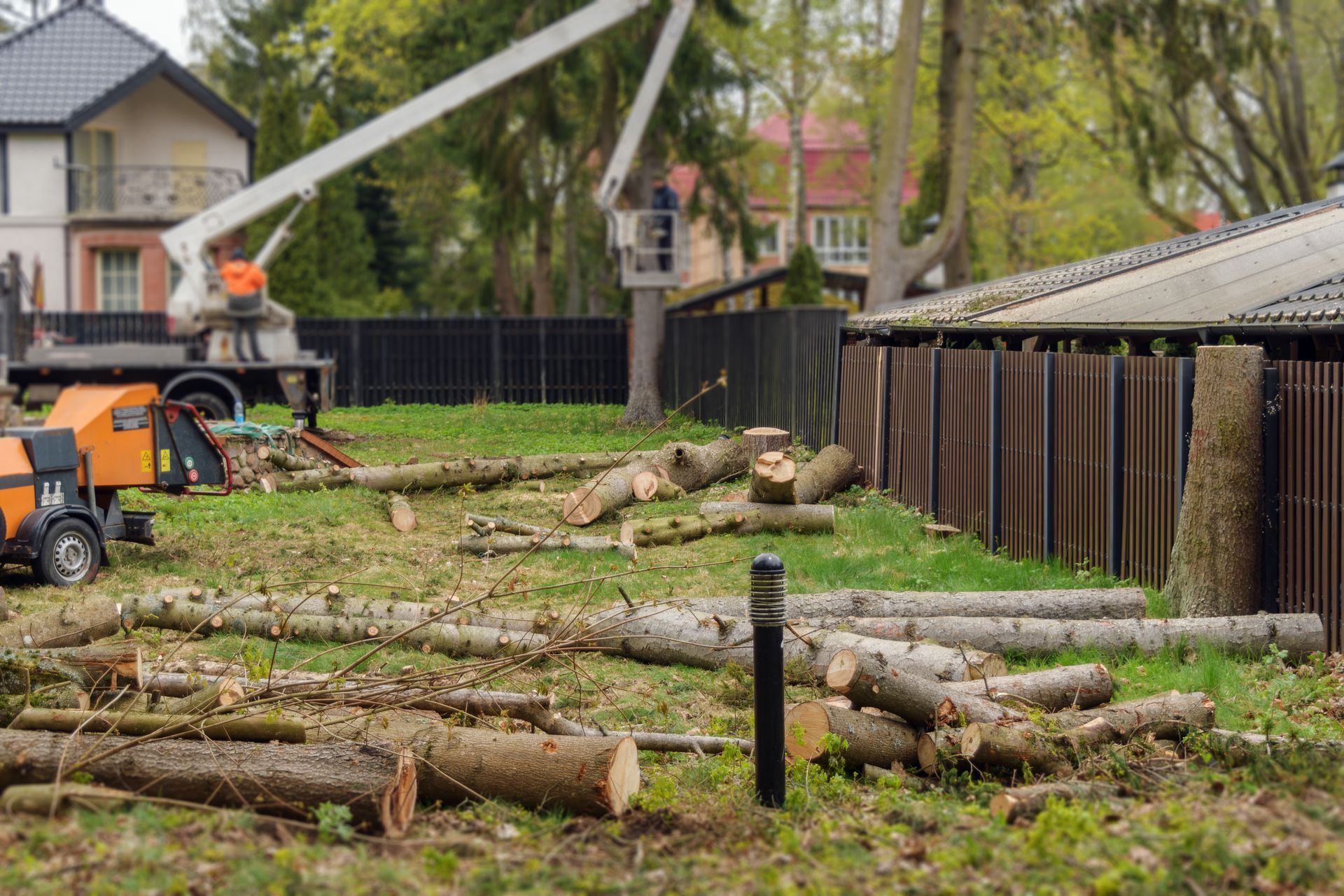
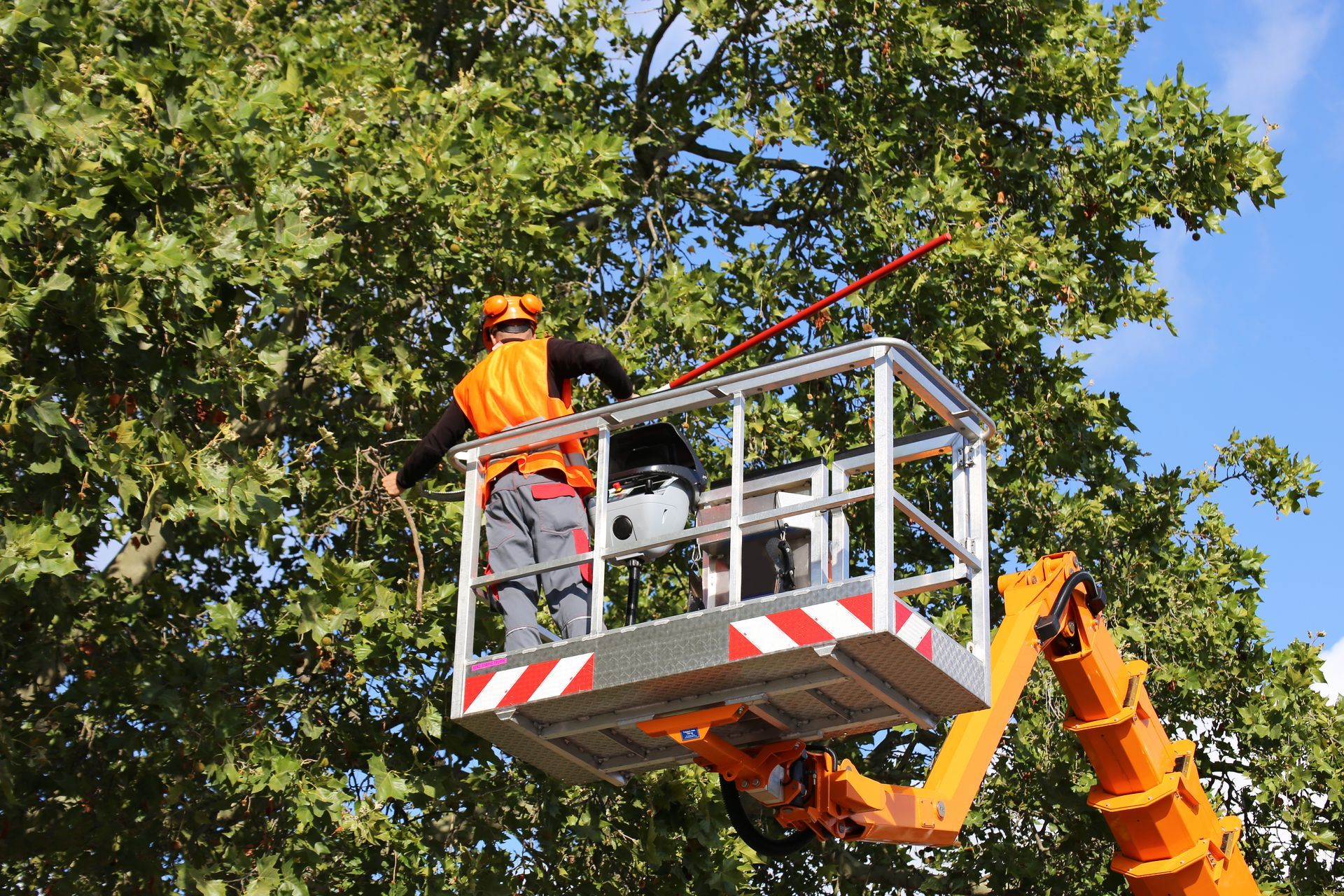
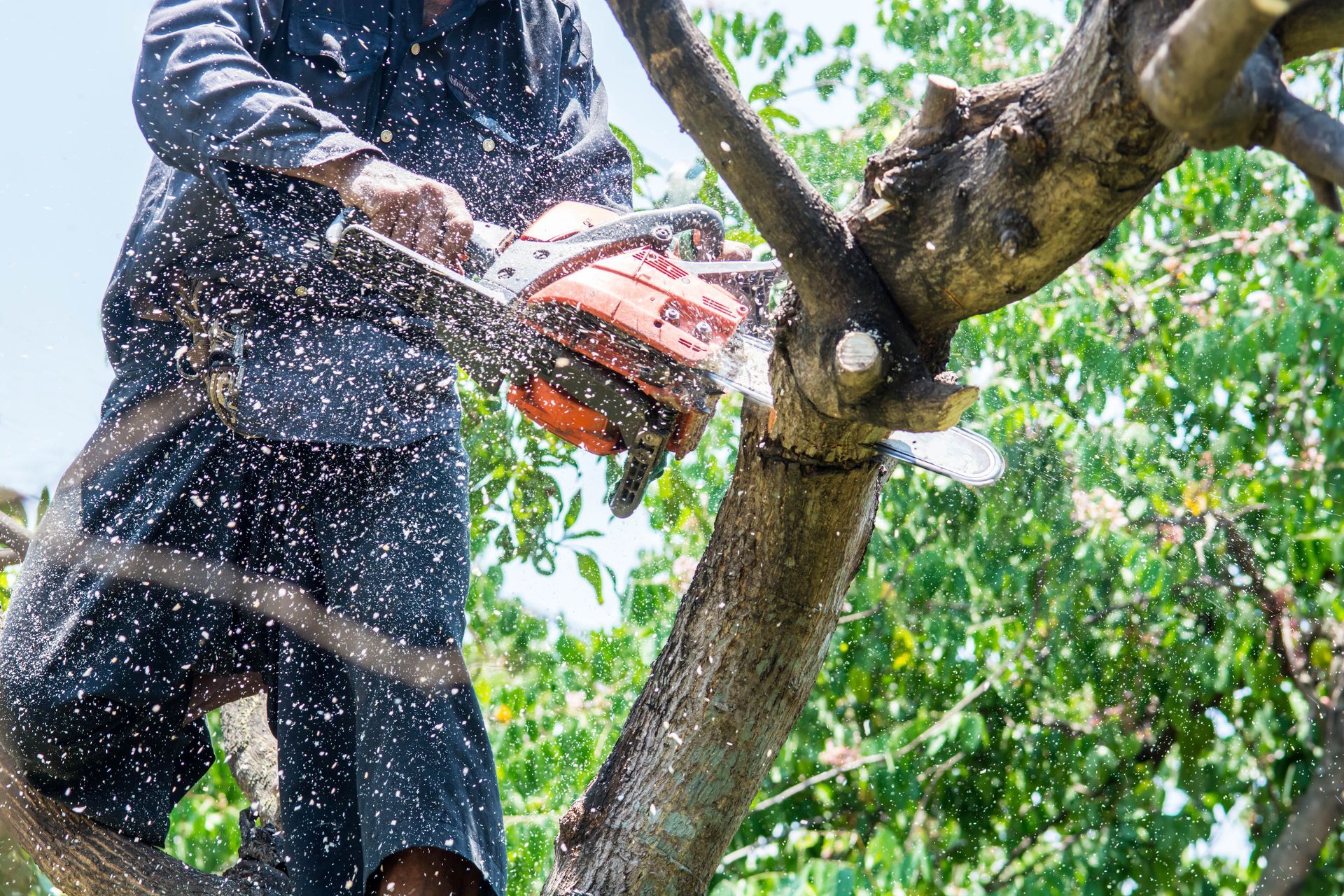
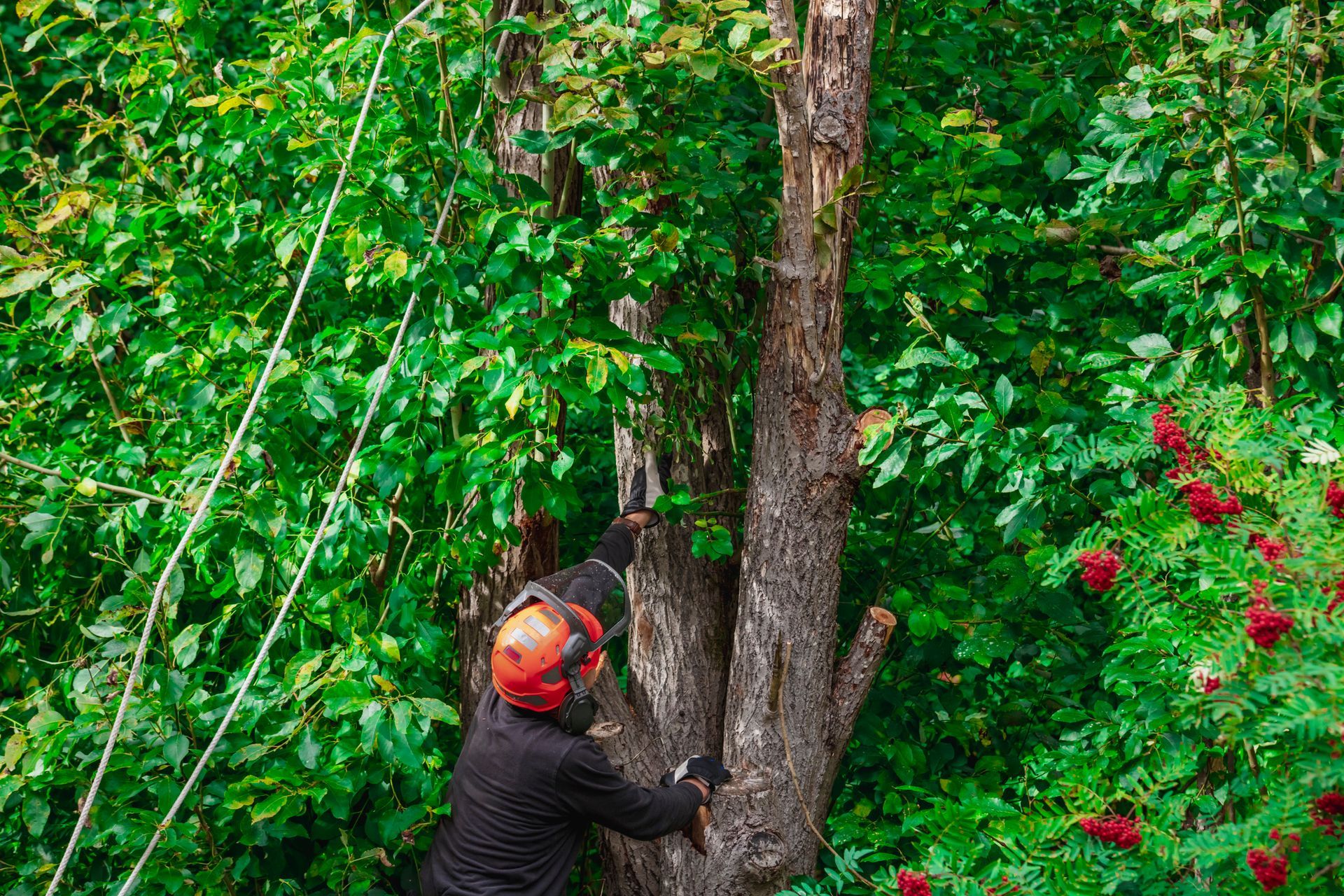
A tree cutting service focuses on cutting specific parts of a tree while keeping the tree alive and standing. Think of it as targeted work. Crews use chainsaws, pole saws, and bucket trucks to reach and remove individual branches, limbs, or sections that are dead, diseased, or growing in the wrong direction.
This type of work is sometimes called selective cutting or crown reduction. It is often confused with trimming or pruning, but a tree cutting service typically involves heavier cuts and larger sections of wood. If you live in areas like Westerville, Hilliard, or Upper Arlington, OH, where mature oaks and maples line residential streets, selective cutting can keep those trees healthy and structurally sound without disturbing the surrounding yard.
Tree cutting is the right call when the tree itself is still worth saving. A healthy silver maple leaning toward a fence line in Worthington, OH, for example, may only need one or two large limbs removed rather than the whole tree taken down.
What Does Full Tree Removal Actually Mean?
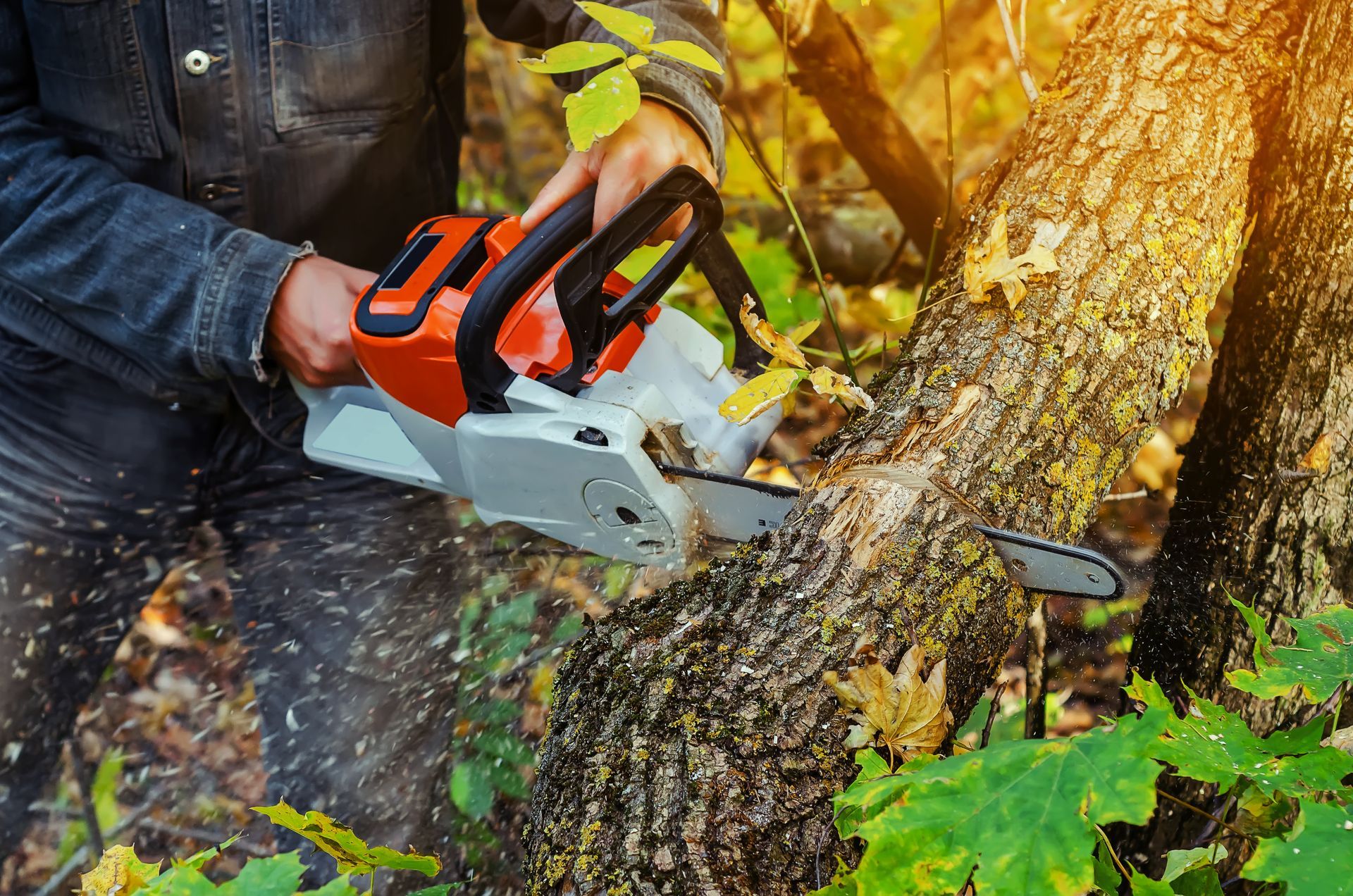
Full tree removal means the entire tree comes out, from the trunk down to the base. This is a more involved process and typically requires more equipment, more crew members, and a longer on-site window.
Removal is often necessary when a tree is dead, severely storm-damaged, infected with disease that will spread, or positioned in a spot where it poses a structural risk to a home or utility line. Columbus, OH, sees frequent severe storms during spring and summer, and neighborhoods like Groveport and Grove City regularly deal with large trees knocked sideways by high winds. In those situations, cutting a few limbs simply is not enough.
After the trunk is felled and cut into manageable sections, crews typically grind the stump or haul it away depending on what you request. Root systems are sometimes left in place unless land clearing or new construction is planned.
Key Differences at a Glance
Knowing the core contrasts helps you decide before a crew even arrives on your property.
- Tree cutting targets specific branches or sections, while full removal takes the entire tree.
- Cutting typically preserves the tree's life and structure, while removal ends it permanently.
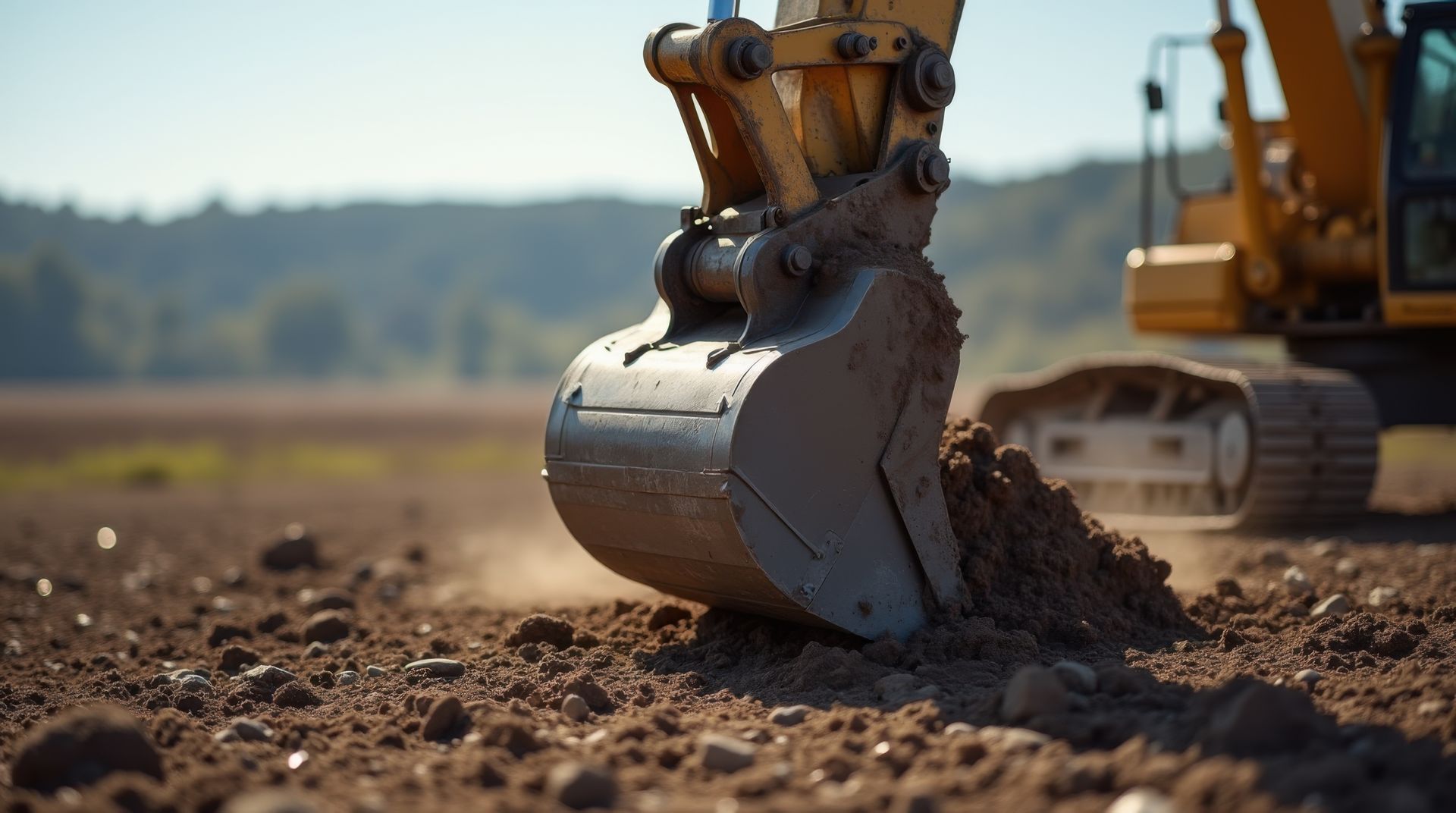
- Removal usually involves more equipment, including cranes or larger chippers for bigger trees.
- Stump grinding or stump removal is only relevant after full tree removal, not after selective cutting.
- Full removal creates more debris and may require a longer cleanup window.
When to Choose Cutting Over Removal
A tree cutting service may be the better option in several common scenarios Columbus homeowners face.
A tree may have one dead limb overhanging a roofline in Dublin or Bexley, but the rest of the canopy looks strong and green. Removing the whole tree in that case would be wasteful. Selective cutting solves the hazard without losing a tree that adds shade and value to the property.
Similarly, trees growing too close to power lines along streets in Gahanna or Blacklick often only need crown reduction rather than complete removal. Local utility guidelines in Franklin County can influence how much clearance is required, so working with an experienced crew matters.
For routine maintenance and canopy care, a
tree trimming and landscaping service can also complement selective cutting to keep trees balanced and healthy year-round.
When Full Removal Is the Safer Choice
Full removal may be necessary when safety or property integrity is at stake.
- The tree is dead or dying and poses a fall risk.
- Storm damage has split the trunk or caused major structural failure.
- Root systems are undermining a foundation, sidewalk, or septic system.
- Disease or pest infestation has spread beyond recoverable limits.
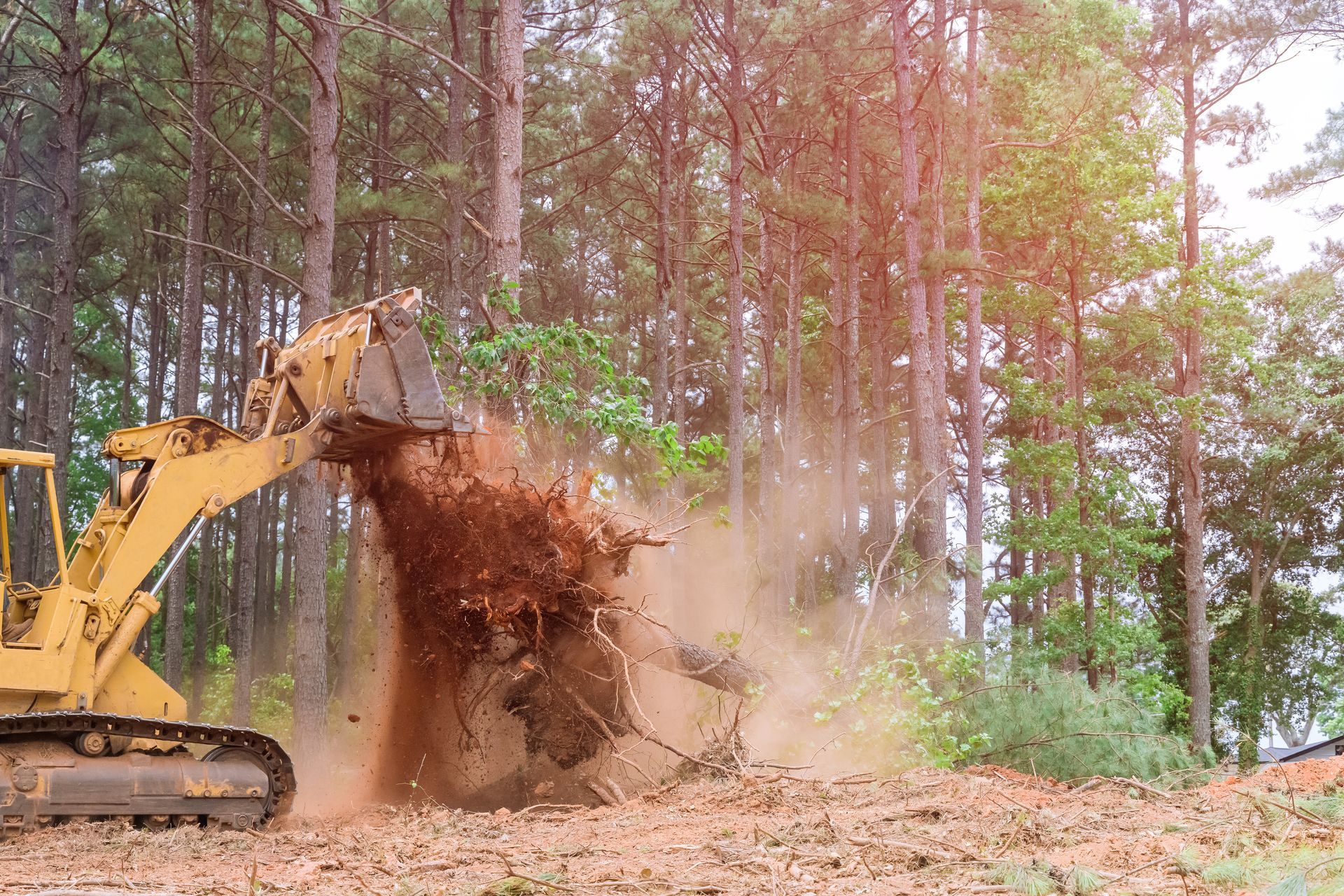
- New construction or landscaping requires the space to be completely cleared.
In Columbus, OH, areas like Pickerington and New Albany see significant new development, where land clearing and full tree removal often go hand in hand with new builds and lot preparation.
What Happens to the Debris After Each Service?
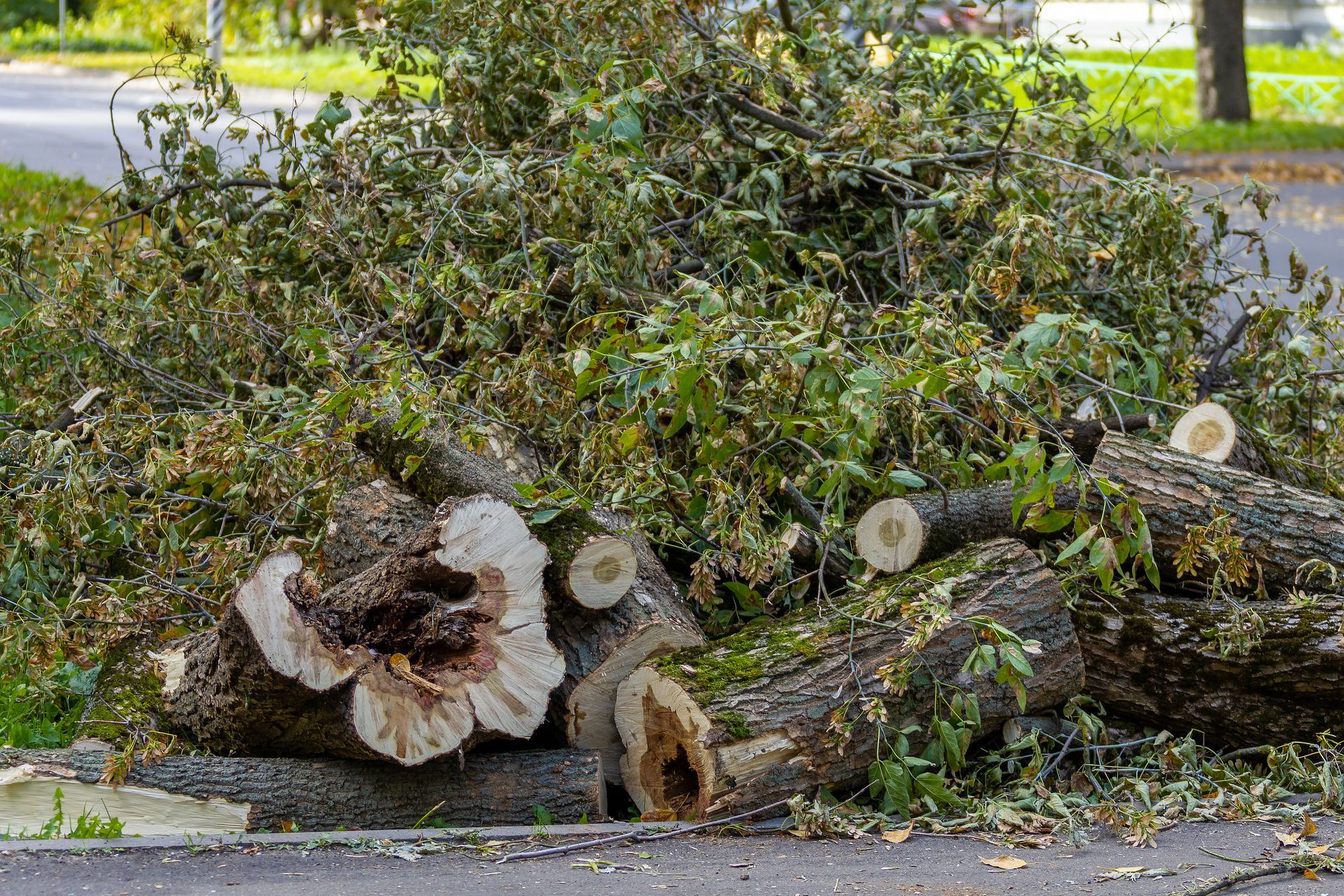
Debris expectations differ between the two services. After a tree cutting service, branches and limbs are typically chipped on-site using a wood chipper, with the chips either hauled away or left as mulch at your request. After full removal, you will have sections of trunk, a larger volume of wood, and a stump to deal with. Most professional crews haul debris away as part of the job, but it is worth confirming this detail when you request a quote.
Do I Need a Permit for Tree Work in Columbus, OH?
Columbus, OH, and Franklin County may require permits for removing certain trees, particularly in designated tree preservation zones or when work falls near utility easements. Rules can vary by municipality, so checking with your local zoning office or asking your tree cutting service provider before work begins is a practical step.
Make the Right Call for Your Property
Understanding the difference between a tree cutting service and full tree removal helps you ask better questions and avoid paying for more than you need. If you are in Columbus, OH, or the surrounding Franklin County area and are not sure which service fits your situation, Giffin's Tree Service & Property Management is ready to help. Serving central Ohio for over 30 years, this family-owned team can assess your trees and recommend the right approach.
Contact us today to request a free quote or to schedule a visit.